How Wilmington's Coastal Climate Accelerates Algae Growth on Homes: Pressure Washing in Wilmington, NC Explained
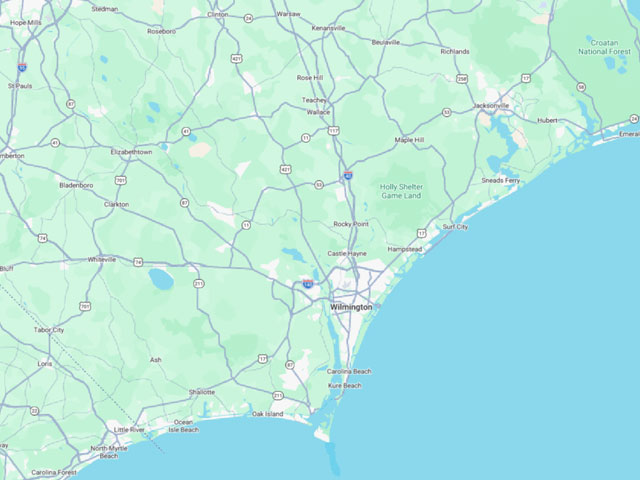
If you live in Wilmington, NC, you know our air feels different. Ocean breezes carry salt. Summers are warm and sticky. Pop-up showers are common. That mix accelerates algae and mildew growth on siding, roofs, and concrete. The good news is that routine residential pressure washing with Refresh Pro Clean LLC helps break the cycle so your exterior lasts longer and looks fresh.
In this guide, we'll explain why growth builds faster near the coast, where you'll spot it first, and how a smart cleaning schedule protects paint, shingles, and hardscapes without risk to your home.
Why Wilmington's Weather Fuels Algae And Mildew Growth
Algae and mildew love moisture. Wilmington's average humidity stays high for much of the year, especially from late spring through early fall. Sea spray adds salt particles that hold water on surfaces. Frequent rain and evening dew keep everything damp, particularly on the shaded sides of a house.
Salt is a moisture magnet. When salt lands on siding or shingles, it attracts and holds tiny water droplets. That thin film becomes a perfect landing pad for airborne spores. Shade and still air finish the job, which is why the north and east sides of homes in neighborhoods like Pine Valley, Ogden, and Masonboro often show green film first.
Storm season also matters. During active tropical periods, wind-driven rain reaches places that normal showers miss. Porous materials take in that moisture and dry slowly. Over weeks, microscopic growth spreads into visible streaks and blotches.
What's Actually Growing On Your Home
Most Wilmington homeowners see three main culprits. Green algae shows up as a slimy film on vinyl and painted wood. Mildew, a type of fungus, appears as gray or black splotches in shady, damp spots. On roofs, black streaks often come from a cyanobacteria called gloeocapsa magma that feeds on shingle fillers.
Left alone, these organisms build layers that trap more water and spores. They stain paint, accelerate shingle wear, and make concrete dangerously slick after rain. Routine cleaning extends the life of paint, siding, and roofing. It also keeps porches, walkways, and pool decks safer.
Where You'll See Build-Up First Around Wilmington
Because of salt air, humidity, and shade patterns, these areas are the usual hot spots from Wrightsville Beach to Castle Hayne:
- North-facing vinyl or fiber cement siding, especially behind shrubs or fences
- Asphalt shingle roofs with overhanging trees in Landfall, Bayshore, and Porters Neck
- Gutters, fascia, and soffits that catch wind-blown salt and pollen
- Driveways, pool decks, and entry steps that stay damp after afternoon showers
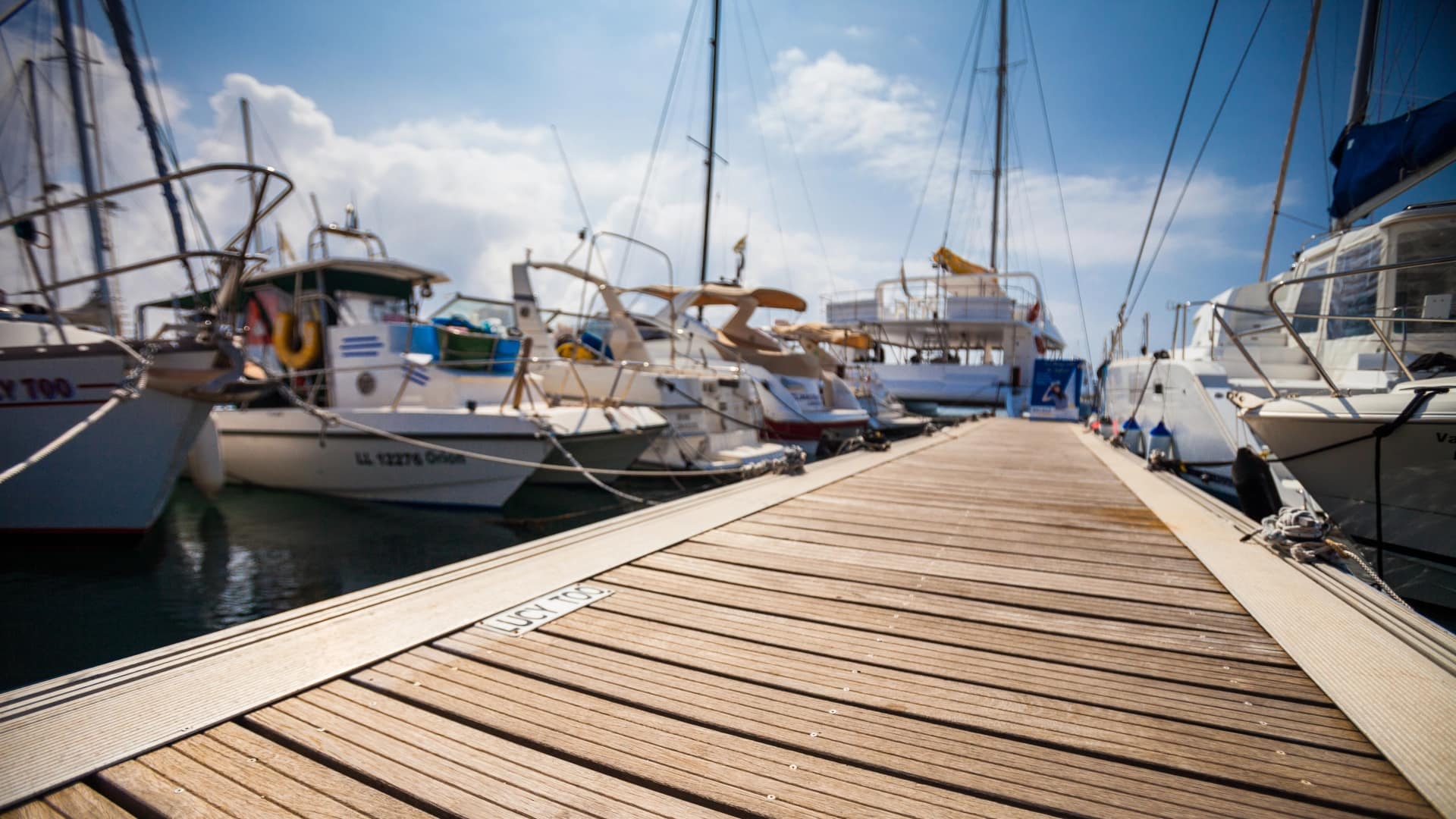
- Fences and docks near the Intracoastal Waterway, where mist and shade linger
Homeowners near the Cape Fear River and Greenfield Lake often notice mildew bands on lower siding where sprinklers overspray or where morning fog hangs longest.
How Coastal Conditions Damage Materials Over Time
Algae and mildew start as a surface problem, but can shorten the life of finishes. Salt crystals dissolve and recrystallize, opening microscopic pores in paint films. Spores settle in those pores and retain moisture, leading to peeling and early repainting cycles.
On roofs, gloeocapsa magma spreads along shingle lines. Its dark pigment absorbs heat, raising shingle temperatures on sunny days. That speeds up aging and granule loss. Never use high pressure on asphalt shingles. The right approach is a controlled soft wash with roof-safe detergents that lift growth without stripping protective granules.
Concrete seems tough, but it is porous. Mildew and algae settle in the top layer, forming a slick biofilm. During rainy stretches, that film becomes slippery. Entry steps and pool surrounds are the most common slip points in areas like Monkey Junction and Carolina Beach.
Why Routine Professional Cleaning Beats "Wait And See"
In a coastal city, waiting means letting growth grab a deeper foothold. A light film this spring becomes discoloration by fall, then becomes a winter eyesore that needs more chemistry and time to remove. Timely service resets the surface before that cycle locks in.
- Removes biofilm before it etches or stains finishes
- Reduces allergens and grime that stick to salty moisture
- Keeps concrete safer during our frequent rain events
- Protects roof warranties that restrict high-pressure cleaning
Salt air speeds up corrosion on fasteners and fixtures. Regular rinsing and gentle washing help prevent salt buildup around window hardware, porch lights, and railings. You'll see fewer rust halos and less pitting over time.
Our Process: Safe Cleaning For Siding, Roofs, And Concrete
Refresh Pro Clean LLC tailors methods to each surface and season. For painted or vinyl siding, we use a soft wash that relies on biodegradable detergents and low pressure. This loosens algae, lifts airborne salt, and preserves the paint film. For brick and hardscape, we adjust nozzles and working distance to clean effectively while respecting mortar and control joints.
Roofs receive a dedicated soft wash blend designed for gloeocapsa magma. The solution works for the organism, not against your shingles. We apply, allow proper dwell time, and rinse with care. For driveways and pool decks, controlled surface cleaning evens out results and helps prevent tiger-striping.
Every job includes a targeted rinse to move loosened salts and residue away from trim, landscaping, and entry points. We finish with a walk-through so you can see the difference, from the curb to the back patio.
How Often Should Wilmington Homes Be Cleaned
Exposure drives timing. Homes within a few miles of the beach or the Intracoastal typically need exterior cleaning more often than homes farther inland.
Here is a simple, local-first way to think about frequency. Actual timing varies by home size, materials, shade, and season.
- Siding and trim: every 12 to 18 months, sooner if you're near Wrightsville Beach or Kure Beach
- Roofs: every 2 to 3 years with soft washing, based on streaking and overhanging trees
- Driveways, walkways, and steps: every 6 to 12 months for traction and appearance
- Pool decks and shaded patios: annually, after pollen season, to prevent slick spots
Plan around local rhythms. Spring pollen coats everything, and late-summer humidity lingers. Book service before peak pollen and storm seasons. You'll start cleaner and stay that way longer.
Real-World Examples From Around Town
In Historic Downtown, narrow side yards trap shade and breeze-blown moisture between homes. That creates green bands along the lower siding and on the brick steps. In Riverlights and Masonboro, porches open to the water get light salt spray that dries into a sticky film. In Ogden and Porters Neck, large oaks hold dew and drip onto roofs, feeding black streaks along the shingle courses.
Each area faces the same root problem: damp, salty air. The solution is a steady cycle of gentle cleaning that respects materials. That is where professional technique matters most.
Why Professional Technique Matters On The Coast
Coastal homes collect more than dust. They collect salt, pollen, soot from traffic, and organic growth. When those mix, the film becomes tougher to lift. Professionals understand dilution, dwell time, and rinse control. We protect plantings, shield outlets, and manage run-off so solutions do their work without affecting your yard or the river system.
We also match tools to materials. Siding and roofs need soft washing. Brick and concrete call for the right tips and steady pacing. Gutters, soffits, and trim often respond best to a gentle pre-soak and a careful rinse that avoids water intrusion.
Curb Appeal And Home Value In A Waterfront Market
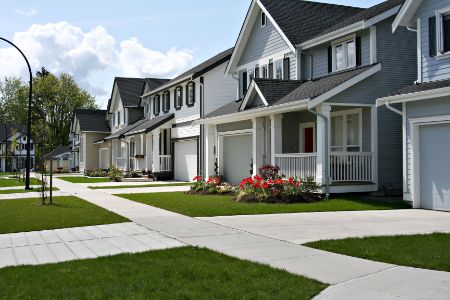
Buyers in Wilmington notice first impressions. A clean driveway, bright siding, and a streak-free roof communicate steady care. That matters in communities like Landfall, Mayfaire, and Pine Valley, where curb appeal sets the tone the moment you turn onto the street.
Even if you are not listing soon, keeping growth in check prevents the slow fade that forces heavy prep before painting. Routine service is simpler and kinder to your finishes than sporadic deep cleans after seasons of buildup.
When To Call Refresh Pro Clean LLC
Watch for early signs. If you see a green tint spreading on the shaded side of your home, or if your steps feel slippery after rain, you are already in the growth zone. Black roof streaks that look faint in spring will be bold by August. A short visit today is easier than a multi-stage cleaning later.
To learn how a maintenance plan could fit your home, reach out to Refresh Pro Clean LLC. You can also explore pressure washing solutions that match your siding, roof type, and hardscapes. We'll tailor a schedule to the way Wilmington's weather actually behaves on your block.
Get Coastal-Ready With A Trusted Local Team
Our crew lives here, too, so we plan cleanings around pollen bursts, summer storms, and king tides. We show up with the right blends and the right nozzles, then leave your exterior clean and protected. For a quick conversation, call us at 704-530-7871. If you want to see what steady care can do for your curb appeal, start at our home base for pressure washing in Wilmington, NC, and schedule a visit.
From the Riverwalk to Carolina Beach, we keep Wilmington homes looking their coastal best, season after season. Call Refresh Pro Clean LLC today for pressure washing in the Wilmington area.